
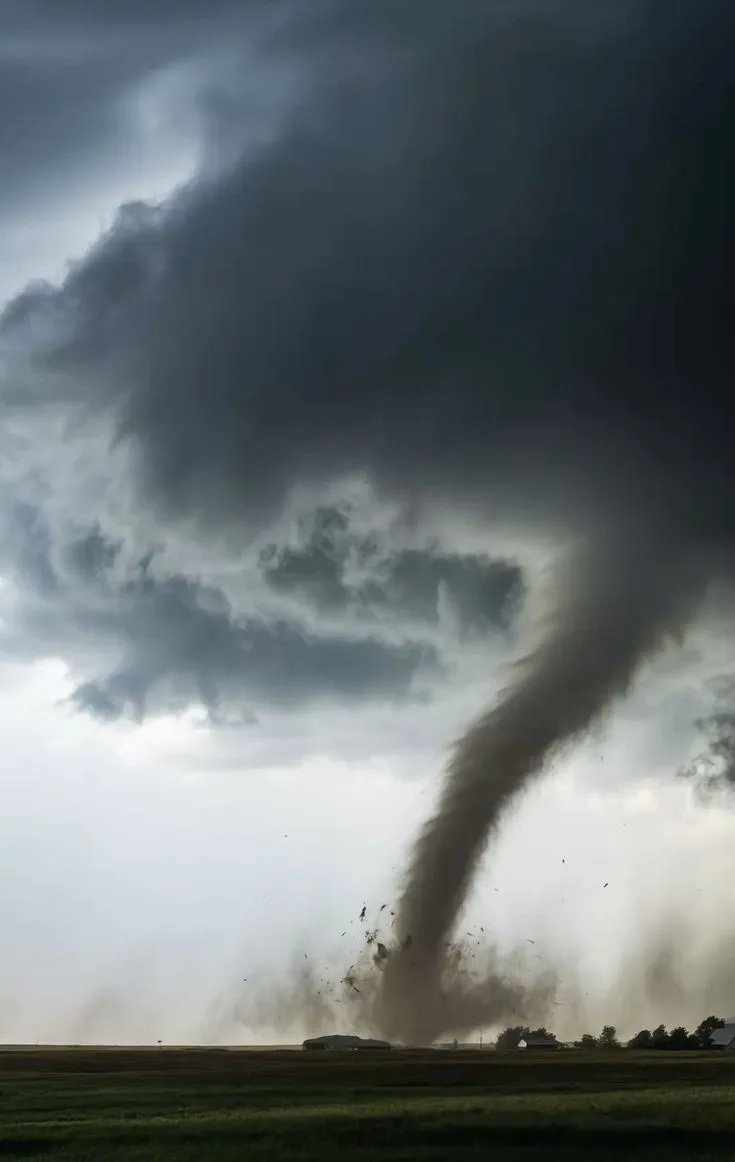
A family trip can become more memorable when it connects with something children or teenagers already enjoy. For families interested in weather, tornado tours 2027 Kansas can introduce young travelers to geography, photography, observation, and atmospheric science in a real-world setting.
Rather than relying on formal lessons, parents can encourage curiosity through simple activities during the journey. The goal is to help younger travelers engage with what they see without making their vacation feel like school.
Make Geography Part of the Journey
Maps become easier to understand when locations are connected with real experiences. Young travelers can follow the day’s route and identify towns, highways, or states encountered along the way. This provides a practical sense of distance that a digital map cannot always communicate. A destination that appears close on a screen may require considerable travel across the Plains.
Parents can keep the activity simple by asking children to mark a few important locations rather than recording every road. By the end of several days, the map becomes a visual record of the journey.
Create a Simple Sky-Watching Activity
Cloud observation gives younger travelers something interesting to do during quieter periods. They can choose one section of the sky, photograph an unusual formation, or describe how clouds have changed since morning. The activity does not need to involve identifying every cloud type correctly. Instead, children can focus on visible differences such as size, shape, texture, color, and movement. Comparing observations later can show just how differently the sky developed throughout the day.
Give Photography a Personal Theme
Families researching Kansas storm chasing tours 2027 can encourage younger travelers to create their own photographic project. Giving the project a theme makes it more purposeful than taking random pictures.
Possible themes include:
-
Interesting cloud shapes
-
Roads disappearing toward the horizon
-
Rural buildings and landscapes
-
Changing colors in the sky
-
Agricultural scenery
-
Small-town landmarks
At the end of each day, children can select one or two favorite photographs and explain why they chose them. This encourages creativity without requiring expensive camera equipment.
Introduce Weather Terms Naturally
A storm-focused trip may introduce unfamiliar words connected with clouds and atmospheric conditions. Trying to teach too many terms at once can make the experience unnecessarily complicated. A better approach is to select one or two new ideas when they become relevant. Young travelers might keep a small notebook and write a short explanation in their own words. Connecting a term with something they have actually observed can make it easier to remember than simply reading a definition beforehand.
Explore the Landscape Below the Sky
Weather may be the main theme, but the Great Plains provide plenty of opportunities to learn about geography and regional life. Agricultural fields can prompt conversations about farming. Grain elevators, rural roads, water towers, and small communities provide clues about how people live and work across the region.
Encouraging children to notice these details gives the journey greater depth. It also prevents the trip from becoming focused exclusively on dramatic weather.
Keep Learning Activities Light
Not every part of the day needs an educational task. Younger travelers should have time to relax, talk, enjoy the scenery, and simply watch what is happening. Short activities are usually enough. A child could mark the day’s route, choose a favorite image, or write three sentences about something unexpected.
Keeping participation optional also allows each family member to engage differently. One person may enjoy photography while another becomes more interested in maps or cloud observation.
Encourage Personal Responsibility
Older children and teenagers can take responsibility for a few practical items during the trip. They might keep their water bottle accessible, charge their phone overnight, organize a small camera bag, or make sure personal belongings are ready before departure. These simple responsibilities can help young travelers become more involved in the journey while reducing unnecessary clutter during travel days.
Turn the Trip Into a Project at Home
The experience does not need to end when the family returns home. Photographs, route maps, notes, and sketches can be combined into a digital album, scrapbook, or short travel presentation. Children can organize the material by day and choose the moments they found most memorable. This gives them an opportunity to reflect on what they noticed rather than leaving hundreds of photographs unorganized on a device.
Conclusion
A weather-focused family journey can combine travel with geography, creativity, observation, and practical learning when activities remain simple and enjoyable. Maps, photography projects, landscape observations, and short journals can help younger travelers build a personal connection with the places they visit. For families whose children meet the current participation requirements, Storm Chasing Adventure Tours can provide an unusual setting for shared learning and exploration. Parents should confirm current age, booking, and suitability requirements before planning the trip.
