
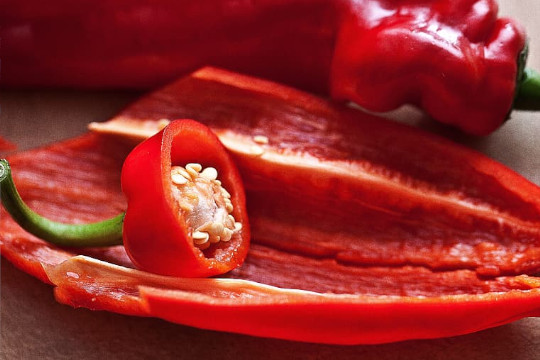
Natural food colours are an enticing breath of fresh air in a world of artificial additives, where we have lost touch with natural, wholesome food colouring, which is also very colourful. These natural alternatives are made out of fruits, vegetables, herbs and spices and not only improve the aesthetic value of food, but also come with other nutritional advantages. By adopting natural food colours, chefs, home cookers, as well as food enthusiasts have created foods that are as nutritious as they are beautiful to the eye, giving a sense of experience to both the mouth and the eyes.
The health advantages of natural food colours.
Natural food colours, unlike the synthetic ones, are usually abundant in antioxidants, vitamins and minerals. To give an example, the beetroot can be used to make a deep red color and provide such benefits as folate and potassium, and turmeric will be used to add a warm golden-yellow color and be loaded with anti-inflammatory properties. Replacing chemical colour additives in food with natural ones can decrease the intake of potentially harmful substances as well as add natural Flavors and nutrients to food. This blend of beauty and health makes natural food colours the indispensable ingredient of the contemporary health-conscious and modern cooking.
Sources of Natural Food Colours that are popular.
Natural food colourants may be obtained using various common food commodities. Beets, strawberries, and pomegranates are sources of red color, whereas spinach, parsley, and matcha are sources of green. Carrots and saffron are used to give it the orange and yellow color, but blueberries, blackberries, and purple cabbage give deep purple and blue. Not only do each of these sources of nature add a color, but additional Flavors and health-promoting compounds are introduced, which makes them the best selection to use in creative and nutritious cooking experiments.
Methods of natural Food Colouring in cooking.
In dealing with natural food colors, it is important to have good techniques that will provide vibrant results. As an example, ingredients that have color should be heated to maintain color, whereas some, such as matcha or spinach, might require being added last to maintain color. Adding color Pigments can be concentrated by extraction, e.g., through juicing, pureeing, or infusing. Through experimentation, cooks will be able to obtain regular, beautiful colours that add not only to the display of the food but also to the satisfaction of the food.
Uses in the Contemporary gastronomy.
The natural food colour has a wide range of culinary creations because of its versatility. Pastry chefs incorporate them into cakes, icings and macarons, whereas beverage makers incorporate them into teas, smoothies, and cocktails. Foods of all kinds are also favoured in Savory categories, and this is where sauces, soups, and dips gain a pleasant look and taste and add to the dining experience. Through the careful use of natural food colours, the chefs are able to make an otherwise common meal into a pleasant experience both to the eyes and to the stomach.
Issues and problems in Natural Food Colours.
Natural food colours have challenges, even though they have numerous benefits. These can be pH, heat and light sensitive and thus change with variation of these factors. Moreover, natural pigments also tend to create a less vivid hue than synthetic ones, and one has to carefully blend them to produce the intended effect. Knowledge of these limitations empowers chefs and home cooks to maximise on natural food colours and at the same time ensure their culinary masterpieces are appealing to the eyes and tasty.
Trends of Natural Food Colours in the future.
Due to the increasing awareness of health and sustainability, the interest in natural food colours will increase. The development of natural pigments by manufacturers and chefs is being aided by new extraction regimens and sourcing of ingredients that have enabled the formation of stable, vibrant and versatile natural pigments. Natural food colours will probably replace alternatives and become a norm in the culinary industry, increasing the quality standards, beauty, and healthiness of things from confectionery and bakery to beverages and ready-to-eat meals.
Conclusion
Natural food colours are a perfect combination of aesthetics, taste and health, giving both culinary experts and amateur cooks a chance to surprise their culinary works. With the adoption of these rich colours, the food can be visually appealing and yet healthy to the body. Foodrgb.com is the right source of information and valuable ideas to help those who want to learn more about how to incorporate natural food colours into cooking, as it is full of useful data and information that improves every cooking experience.
