
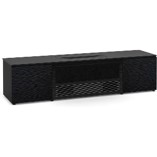
Premium home theaters often involve substantial investments in projectors, sound systems, and sophisticated entertainment technology. Yet conventional furniture may not accommodate these components with the precision or visual refinement they deserve. Salamander Designs approaches entertainment furniture as an engineered part of the overall installation rather than simply a storage solution. Its specialized cabinets combine structural support, equipment integration, and carefully considered aesthetics. Understanding these qualities helps us evaluate whether premium furniture provides lasting value beyond its initial purchase price, particularly in customized residential entertainment environments.
Engineering That Supports Premium Equipment
The structural design of entertainment furniture becomes increasingly important as equipment grows heavier and more specialized. Selected Salamander cabinets feature extruded aluminum frameworks that support enclosed components while allowing distinctive exterior finishes. This construction differs from ordinary decorative furniture that may not be engineered around audiovisual installations. However, structural quality should always be evaluated against published load limits and assembly requirements. We should examine how individual models support their intended components, since dependable engineering contributes to equipment stability and long-term usability without automatically guaranteeing superior sound quality.
Purpose-Built Projector Furniture Adds Value
Ultra-short-throw projection systems present unusual installation challenges because their image geometry depends on accurate placement near the screen. Salamander offers cabinets designed around particular projectors, including the Epson LS800, LG HU85LA, and selected Samsung models. Recessed cavities allow compatible projectors to sit within coordinated furniture arrangements instead of occupying exposed surfaces. This specialized design can simplify the appearance of a living room cinema. We should still verify exact projector compatibility, required screen positioning, and adjustment options, particularly when considering equipment replacements or future display upgrades.
Premium Finishes Complement Residential Interiors
Luxury entertainment spaces benefit from furniture that feels integrated with the surrounding architecture rather than added as an afterthought. The Chicago, Miami, and Oslo collections illustrate contrasting approaches to surface finishes, cabinet proportions, and visual character. These differences allow homeowners to consider designs suited to contemporary, minimalist, or more traditional interiors. Investing in custom AV furniture can be worthwhile when appearance matters alongside functional equipment integration. We should evaluate available finishes, actual dimensions, and material samples before deciding whether a particular design complements the existing room.
Thoughtful Construction Simplifies Daily Ownership
Premium furniture should remain practical long after installation is completed. Selected Salamander models incorporate removable rear panels, adjustable internal shelves, and accessible compartments that help technicians reach equipment without unnecessary furniture disassembly. This functionality becomes valuable when connecting new devices, troubleshooting cables, or servicing existing components. Soft-close door hardware and adjustable floor levelers are available on certain configurations, further supporting everyday convenience. We should verify these features individually because they are not necessarily included across every model. Useful accessibility features can distinguish specialized furniture from conventional cabinetry.
Equipment Integration Reduces Visual Distractions
A refined home theater should direct attention toward the entertainment experience rather than surrounding electronics. Certain Salamander projector cabinets accommodate supporting components and offer concealed cable pathways, reducing visible equipment around the screen. Some configurations also provide space for compatible speaker installations, helping maintain a coordinated front-of-room appearance. These arrangements require thoughtful planning to preserve proper acoustic performance and equipment access. We should avoid assuming concealed placement is suitable for every speaker or projector. Manufacturer guidance and professional system design help balance visual simplicity with dependable operation.
Evaluating Durability Against Initial Investment
Premium audiovisual furniture typically costs more than basic entertainment cabinets, making its long-term benefits important to assess. Structural materials, construction quality, replaceable accessories, warranty terms, and compatibility with future equipment all influence ownership value. A well-selected cabinet may remain useful through several electronics upgrades, although projector-specific cavities can limit adaptability when dimensions change. We should compare the total cost against realistic installation requirements rather than assuming higher prices always indicate better value. Durable furniture becomes a stronger investment when its capabilities match an installation’s actual long-term needs.
Conclusion
A sophisticated entertainment room deserves furniture that contributes to its functionality, appearance, and long-term practicality. Engineered construction, carefully selected finishes, specialist projector integration, and accessible component storage can justify premium pricing when these features address genuine installation requirements. Through its selection of purpose-built entertainment cabinets, epicsystems.tech helps homeowners explore options suited to refined residential cinema environments. Before committing to a particular design, comparing equipment dimensions, finish samples, and future upgrade requirements can help determine whether the investment will remain worthwhile beyond the initial installation.
Frequently Asked Questions
Q1. What distinguishes audiovisual furniture from ordinary cabinetry?
Purpose-designed models may provide equipment access, appropriate storage, ventilation features and projector-specific integration.
Q2. Will a cabinet fit any ultra-short-throw projector?
No. Recess dimensions, optical geometry, ventilation and model compatibility must be checked individually.
Q3. Can premium furniture accommodate equipment upgrades?
Often, but adaptability depends on adjustable compartments and whether specialized cavities fit future devices.
Q4. Are ventilation features included in every model?
No. Verify the exact configuration and compare its airflow provisions with the connected equipment’s requirements.
Q5. How should we assess long-term furniture value?
Consider construction, component access, warranty terms, appearance and compatibility with realistic future system changes.
